A mixed-methods study in primary schools in the UK and Switzerland examines for the first time how teacher and peer influences co-shape children’s value formation
What is this project about?
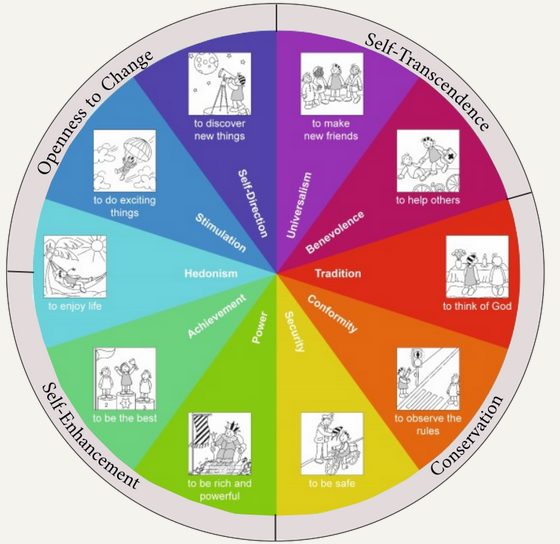
Values are at the core of school curricula in the UK and Switzerland. Primary schools are expected to develop children’s understanding of their own and others’ values, children’s ability to express their own values and pursue behaviours that help achieving them. In most recent years there has been a steep increase of publications. However, we know little about how children’s values develop and how they are formed in primary school.
The research project investigates how teachers and peers shape personal value development is school-aged children in the United Kingdom and Switzerland. The project aims to uncover the dynamic processes within the classroom that contribute to children’s value formation. This knowledge is essential for providing evidence-based guidance for value education in schools.
By collecting data from children and teachers across the two countries, this mixed-methods longitudinal project focuses on 1) investigating developmental trajectories of children’s value priorities in primary school and 2) identifying proximal key factors that affect children’s formation of values in the school context.
What is the impact of this project?
The findings of this project support teachers and school leaders in creating classroom environments that effectively foster children’s social and moral development. The results inform further training for teachers concerning value formation of primary school pupils and how value-related competences of children can be promoted in the school context.
The research team has developed a website for educators on how to transmit values in education. For example. using the toolkits on the website, educators can learn about values, identify the values that drive them, and learn how to support the development of values that are particularly beneficial for learning and social development in the classroom. The website is publicly available in English and German.
On a societal level, reflective values education provides a foundation for identity formation, behaviour, and social cohesion. By improving our understanding of how values emerge and are shaped in educational settings, the project contributes to the development of more effective educational practices and policies. This research directly contributes to the United Nations Sustainable Development Goals (SDGs) 4: Quality Education, 11: Sustainable Cities and Communities and 17: Partnerships for the Goals. Since 2019, the University of Westminster has used the SDGs holistically to frame strategic decisions to help students and colleagues fulfil their potential and contribute to a more sustainable, equitable and healthier society. A list of publications and contributions relating to this project is available here.
Research team and funding
This project is led by Elena Makarova (University of Basel, Switzerland), Anat Bardi (Royal Holloway, University of London), and Anna Doering (University of Westminster). The project is funded by the Swiss National Science Foundation (SNSF), grant number 2333068 and grant number 239773.